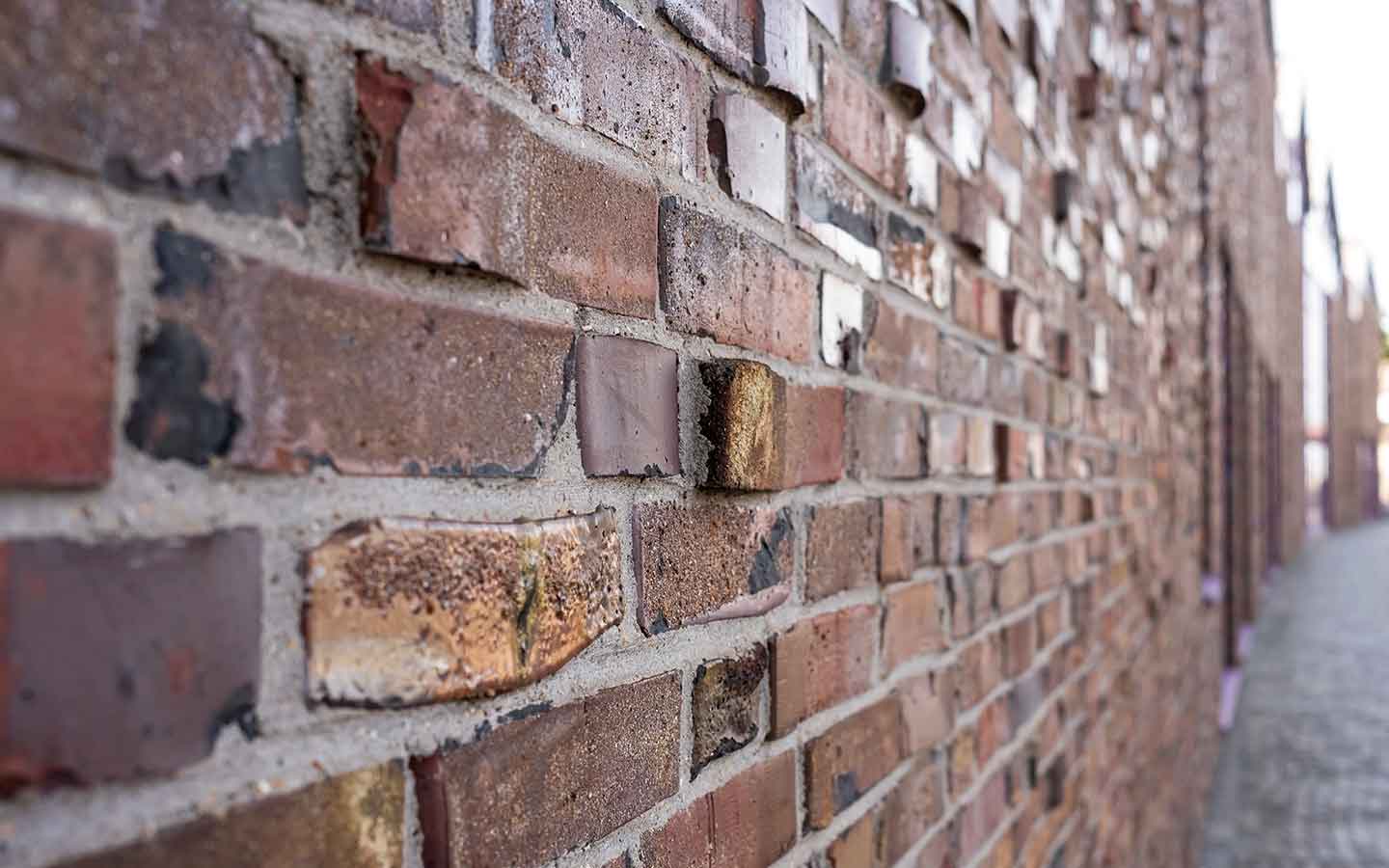
If you own a brick or stone commercial building constructed before the 1930s in Christchurch, there’s a strong likelihood you’re dealing with unreinforced masonry construction. These buildings—characterized by their solid brick or stone walls without internal steel reinforcement—represent a significant portion of the city’s commercial property stock. While they offer undeniable character and street appeal, unreinforced masonry buildings face unique seismic vulnerabilities that demand attention from property owners.
The Canterbury earthquakes demonstrated clearly why unreinforced masonry buildings require specialized strengthening approaches. Understanding your obligations and options helps you make informed decisions that protect both your investment and the people who use your building.
Identifying Unreinforced Masonry Buildings
Unreinforced masonry buildings typically share distinct characteristics that make them relatively easy to identify:
- Construction dates generally before 1935, when building practices began incorporating steel reinforcement
- Thick exterior walls, often 300-450mm, made of solid brick or stone rather than brick veneer over framing
- Limited connection between walls and timber floor or roof structures
- Heavy decorative elements like parapets, chimneys, and ornamental facades
- Internal walls that carry structural loads rather than simple partition functions
If you’re uncertain about your building’s construction type, a structural engineer can quickly confirm through visual inspection and limited investigative work. This determination is crucial because unreinforced masonry buildings face different regulatory requirements and strengthening approaches than other building types.
Why Unreinforced Masonry Buildings Are Particularly Vulnerable
The seismic vulnerability of unreinforced masonry buildings stems from how they were designed to carry loads. These structures excel at supporting vertical loads—the weight of floors, roofs, and building contents pressing straight down through the walls. However, they struggle with lateral forces that push sideways, exactly what earthquakes generate.
Specific vulnerabilities include:
Poor Wall Connections: Timber floors and roofs often sit on top of masonry walls with minimal anchoring. During earthquakes, these elements can separate, leading to wall collapse.
Out-of-Plane Wall Failure: Masonry walls lacking reinforcement can topple outward like dominoes when shaken, particularly at upper levels where movement amplifies.
Parapet Collapse: The decorative parapets topping many unreinforced masonry buildings become falling hazards during seismic events, endangering people on footpaths below.
Brittle Material Behavior: Unlike modern buildings designed to flex and absorb energy, unreinforced masonry cracks and fails suddenly when overstressed.
The Canterbury earthquakes provided tragic evidence of these vulnerabilities. Many casualties resulted from unreinforced masonry building failures, particularly falling parapets and facade collapses.
Understanding Your Legal Obligations
If your unreinforced masonry building has been identified as earthquake-prone (below 34% NBS), you face specific legal obligations under the Building Act. Christchurch City Council maintains an active earthquake-prone building register, and affected property owners receive formal notice of their building’s status.
Current requirements include:
- Visible signage at building entrances warning occupants of earthquake-prone status
- Strengthening work to achieve at least 34% NBS within specified timeframes, typically 12.5 to 25 years depending on your building’s location and use
- Restrictions on certain uses until strengthening is complete
- Potential requirements for immediate action if the building poses imminent danger
Understanding NBS ratings and seismic strengthening requirements helps you navigate these obligations confidently.
Strengthening Approaches for Unreinforced Masonry Buildings
Modern engineering offers several proven approaches to strengthening unreinforced masonry buildings. The optimal solution depends on your building’s specific construction, intended use, and budget:
Wall Anchoring and Ties secure masonry walls to floor and roof structures using steel anchors and tie rods. This relatively cost-effective approach prevents walls from separating during earthquakes and is often the foundation of any strengthening scheme.
Internal Steel Bracing introduces new structural steel frames within the building that absorb seismic forces. These frames can be positioned to minimize impact on usable space while providing substantial strength improvements.
Concrete or Steel Shear Walls add new structural walls that resist lateral forces. For unreinforced masonry buildings, these are typically constructed inside the existing structure, often located in service cores or against internal walls.
Shotcrete Reinforcement applies reinforced concrete to existing masonry walls, dramatically increasing their strength. While effective, this approach changes wall thickness and surface finish, requiring careful consideration of its impact on building character and usable space.
Parapet Reduction or Reconstruction removes or reduces the height of dangerous parapets, immediately eliminating a major falling hazard. For buildings with heritage value, parapets can sometimes be reconstructed in lighter materials that replicate the original appearance.
Cost Considerations and Phasing Options
Strengthening unreinforced masonry buildings typically represents a significant investment, often ranging from 15-30% of a building’s capital value depending on its condition and the target NBS rating. However, several factors can make this investment more manageable:
Phased Strengthening allows spreading costs over time by completing work in stages. Initial phases might address the most critical vulnerabilities like parapets and wall anchoring, with comprehensive strengthening following later. This approach must be carefully engineered to ensure each phase provides meaningful safety improvements.
Coordination with Tenant Improvements provides opportunities to share costs when tenants require space modifications. Negotiating strengthening work as part of lease agreements can offset expenses while securing long-term tenancies.
Value Enhancement from professional building strengthening work typically exceeds costs, particularly for well-located commercial properties. Strengthened buildings command higher rents, attract quality tenants, and sell for premiums compared to earthquake-prone alternatives.
Working with Specialized Contractors
Unreinforced masonry buildings require contractors with specific expertise in both structural strengthening and working with older construction. Generic commercial contractors may lack the experience necessary to navigate the unique challenges these buildings present.
Look for firms that demonstrate:
- Proven experience with unreinforced masonry building strengthening in Christchurch
- Integration of structural engineering and construction services
- Understanding of building consent processes specific to strengthening work
- Capability to minimize tenant disruption during occupied building strengthening
- Clear communication about realistic costs, timelines, and outcomes
Taking Action on Your Unreinforced Masonry Building
Every unreinforced masonry building is unique, requiring engineering assessment and customized strengthening solutions. The most successful projects begin with clear understanding of the building’s current condition, realistic goal-setting about target performance levels, and engagement with experienced specialists who can deliver both engineering expertise and practical construction capability.
Delaying action on earthquake-prone unreinforced masonry buildings increases both risk and eventual costs as regulatory and insurance pressures mount. Professional strengthening work transforms vulnerable buildings into safe, valuable commercial assets that can serve Christchurch for decades to come.
At Fitz Consulting, we specialize in unreinforced masonry building strengthening throughout Christchurch. Our integrated design-build approach provides single-point accountability for assessment, engineering, consenting, and construction—ensuring your project delivers both safety and value.
Contact us today for a confidential consultation about your unreinforced masonry building and discover how we can help you meet strengthening requirements while protecting your investment.